 NEW:
NEW: 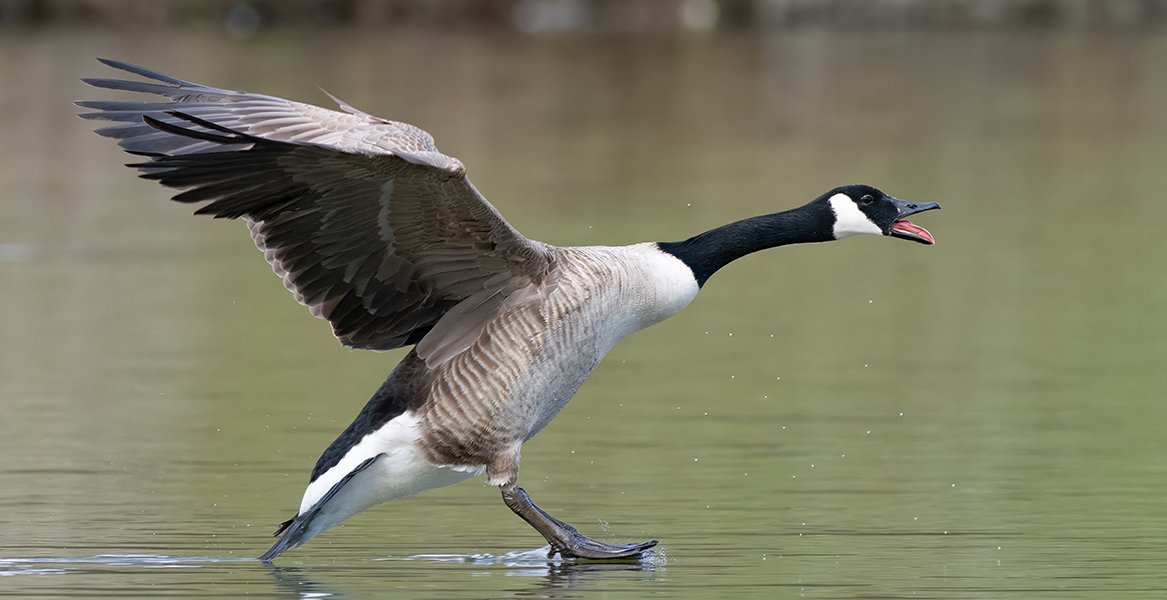
Why Are Geese a Problem?
1. Fouling & Health Risks
One of the most immediate and visible issues is goose droppings. Large flocks can produce significant amounts of waste, quickly covering grass, pathways, car parks, and public spaces.
This is more than just unpleasant:
Droppings can carry harmful bacteria such as E. coli and salmonella
Contaminated areas become slippery and hazardous underfoot
Public spaces can become unusable or unsafe
In high-traffic areas like schools, parks, and commercial premises, this becomes a serious hygiene and liability concern.
2. Aggressive Behaviour During Breeding Season
Geese are highly territorial, especially during the breeding season (typically spring to early summer). When protecting their nests and goslings, they can become aggressive toward people, pets, and staff.
Common issues include:
Hissing, chasing, and physical intimidation
Attacks on pedestrians, children, or pets
Disruption to daily operations in public or commercial spaces
This behaviour can create safety risks and deter people from using affected areas.
3. Environmental & Property Damage
Geese don’t just impact people—they also affect landscapes and infrastructure:
Overgrazing damages grass and landscaped areas
Nesting activity can degrade habitats
Droppings can pollute water bodies, affecting ecosystems
Why DIY Solutions Often Fail
Many people try to manage geese using basic deterrents, but geese are intelligent and quickly adapt. Without a structured, compliant approach, these methods often provide only short-term relief.
The Importance of Licensed & Environmental Solutions
All wild birds in the UK are protected under the Wildlife and Countryside Act 1981. This means any control measures—particularly during the breeding season—must be carried out under the appropriate licences.
During this sensitive period, it is essential to:
Use legal, licensed methods
Prioritise humane and environmental approaches
Ensure actions are timed correctly to remain compliant
Effective Goose Management Strategies
Professional bird control focuses on long-term prevention rather than short-term fixes. Key methods include:
Habitat modification – making areas less attractive for nesting and grazing
Nest and egg management – carried out under licence to control population growth
Deterrent systems – visual, auditory, and physical solutions
Ongoing monitoring – ensuring geese do not return
A tailored approach is essential, as every site and goose population behaves differently.
Take Action Early
The best time to address goose problems is before or at the start of the breeding season. Early intervention helps prevent population growth, reduces aggressive behaviour, and limits long-term damage.
Need help?
If geese are causing problems on your site, it’s important to act quickly—and legally. Working with experienced professionals ensures your solution is effective, humane, and fully compliant with UK regulations.
Get in touch today to discuss a tailored goose management plan that protects your people, property, and environment.