 NEW:
NEW: 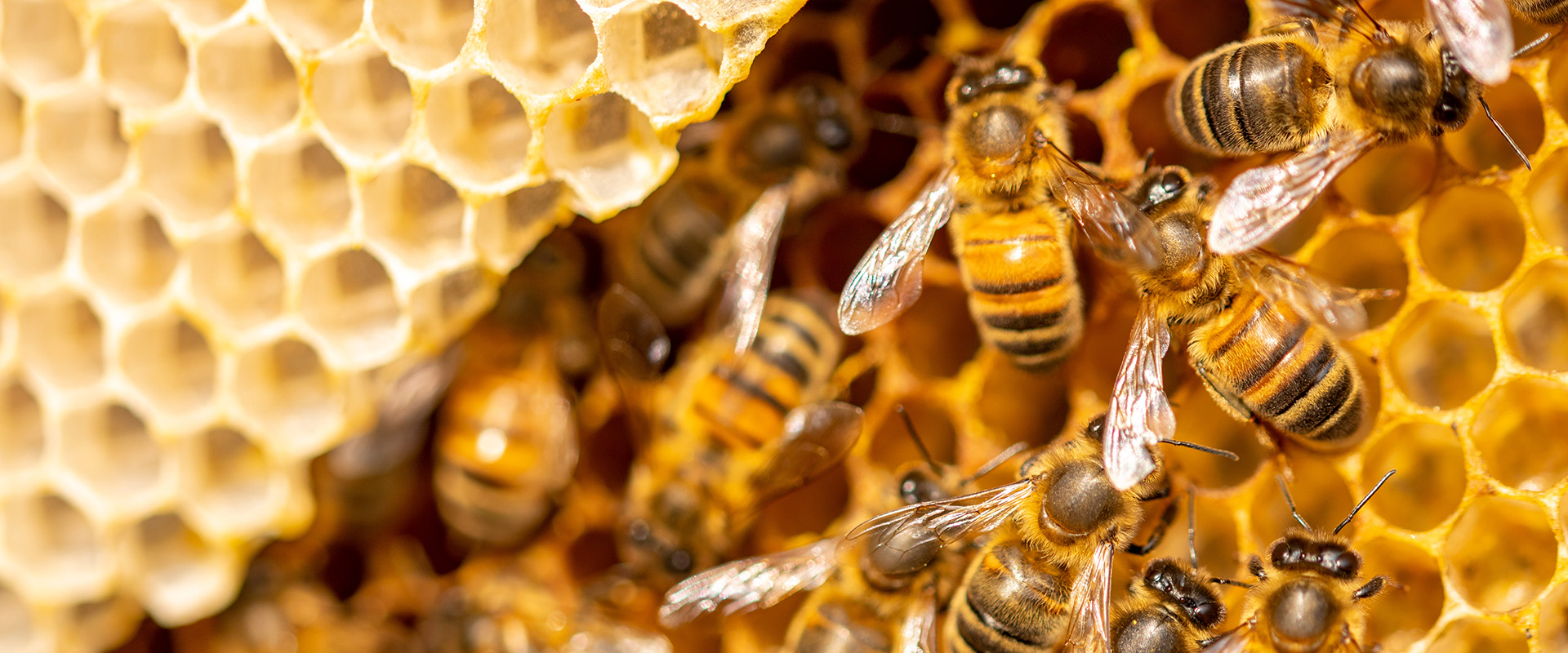
BUMBLE BEES vs HONEY BEES: COMMERCIAL RISKS AND PROOFING
Bees are essential pollinators, but when they nest in or around commercial buildings they can create safety, operational, and compliance risks. Correct identification—bumble bee vs. honey bee—determines the right, legally compliant response.
KEY DIFFERENCES
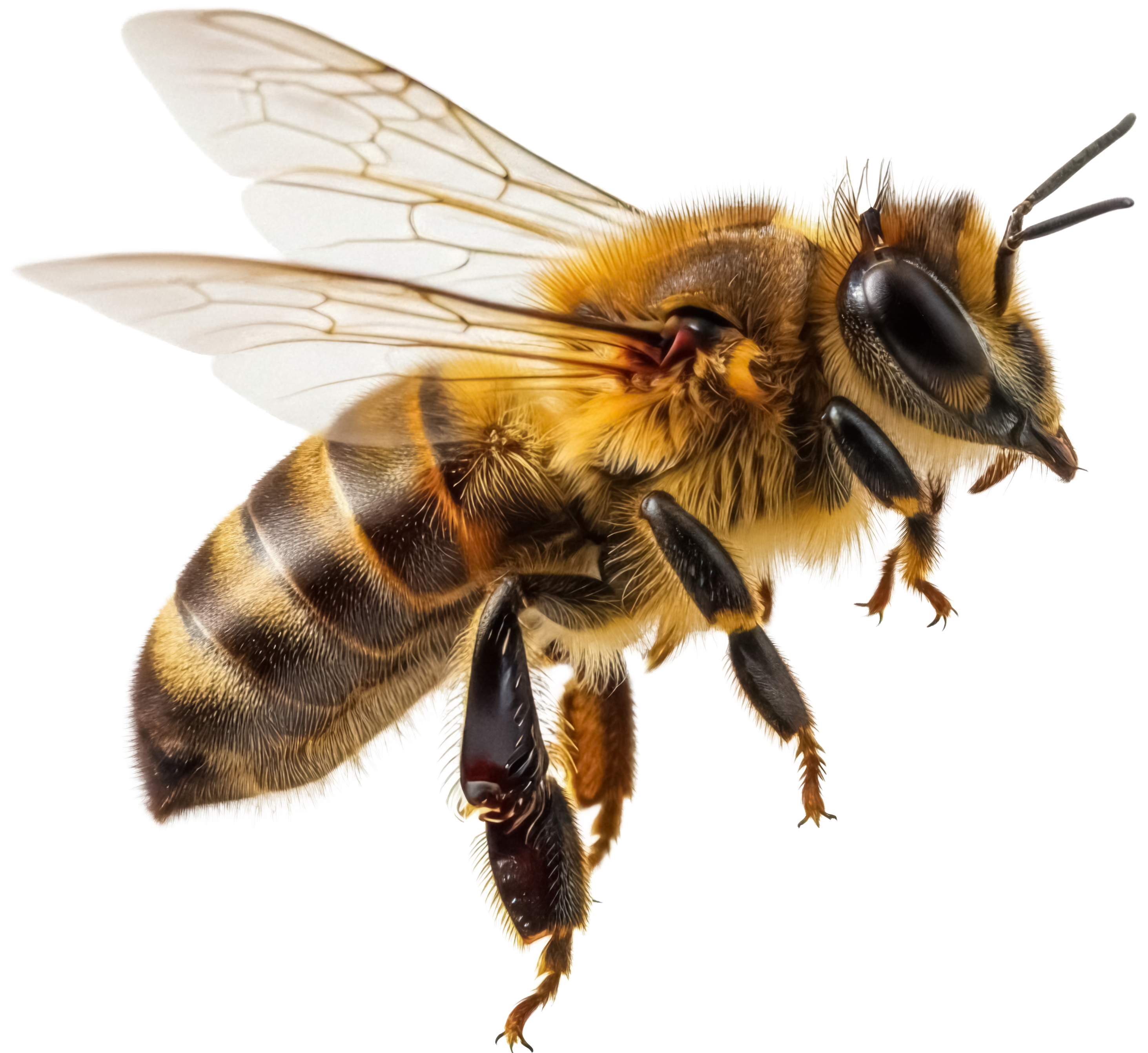
Appearance
- Bumble bees: larger, round, very hairy
- Honey bees: smaller, slimmer, less hairy
Colony Size
- Bumble bees: small colonies (dozens–hundreds)
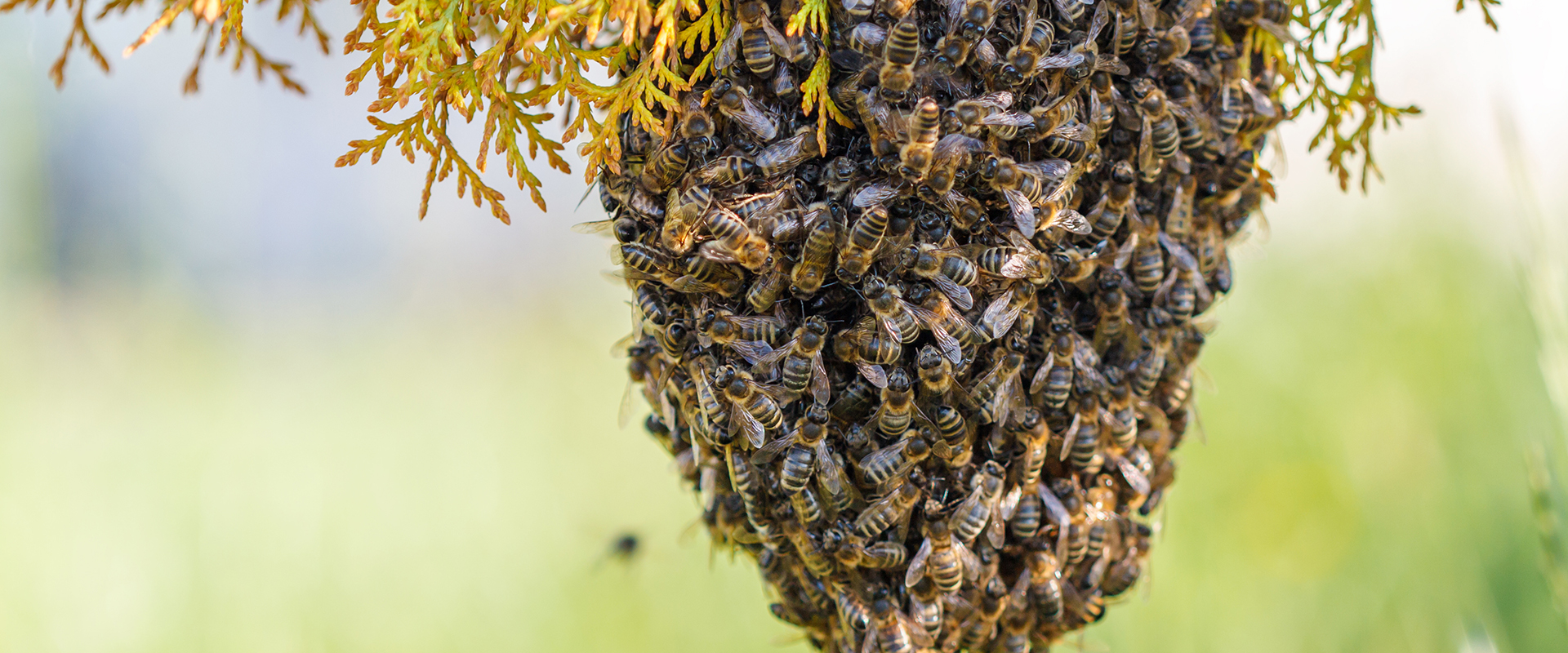
- Honey bees: large colonies (thousands–tens of thousands)
Nesting
- Bumble bees: ground nests, wall/insulation voids, landscaping
- Honey bees: wax comb hives in wall cavities, roof/ceiling voids, chimneys
Behaviour & Risk
- Bumble bees: generally docile; sting when disturbed
- Honey bees: defensive near hives; higher risk in high-traffic areas
Legal Considerations
- Honey bees are often protected; relocation is typically required
- Actions must align with environmental and local regulations
WHERE BUSINESSES ARE MOST AT RISK
- Hospitality: entrances, terraces, kitchens, waste areas
- Warehousing & logistics: loading bays, rooflines, high voids
- Retail & multi-tenant: façades, signage, shared services
- Food production: zero-tolerance environments and audits
- Healthcare: strict safety and infection-control standards
WHY REMOVAL ALONE FAILS
- Entry points remain open
- Residual comb/honey attracts pests
- Re-infestation occurs in the same voids
Effective control requires removal and structural exclusion.
COMMERCIAL BEE-PROOFING ESSENTIALS
Effective bee-proofing in commercial environments focuses on three core principles:
- Identify and remove safely: Confirm the species and carry out compliant removal or relocation using qualified specialists.
- Exclude and repair: Seal entry points, reinforce vents and voids, and address structural gaps to prevent re-entry.
- Monitor and maintain: Conduct seasonal inspections, manage attractants, and document activity as part of an IPM programme.
Bumble bees and honey bees require different, compliant responses in commercial settings. The priority is to protect people, maintain operations, and meet regulatory expectations through correct identification, safe removal, and robust proofing.